
Who this is for
- Small landlords with one to a handful of triple-deckers who turn units themselves
- Property managers running multi-unit portfolios on a lease calendar
- Real-estate investors flipping or stabilizing a recently bought multi-family
- Housing operators and nonprofits maintaining older rental stock
Turnover work is a schedule business
A landlord calls a drywall contractor for a different reason than a homeowner does. The unit has to be ready by the first of the month, the last tenant left the usual damage, and every day the unit sits empty is lost rent. A property manager is not buying craftsmanship for its own sake, but a crew that shows up on the turnover window, repairs everything at once, and gets out so the painters and cleaners can follow. Providence Premier Drywall works to the lease calendar, the June 1 and September 1 dates that drive Providence’s rental market, and handles a whole unit in one mobilization: the fist-sized holes, the anchor and shelf damage, the cracked corners, the water-stained ceiling in the back bedroom, the doorknob dents behind every door. One crew, one trip, one invoice, rather than a series of handyman visits that never quite finish.
Providence’s triple-decker stock, at volume
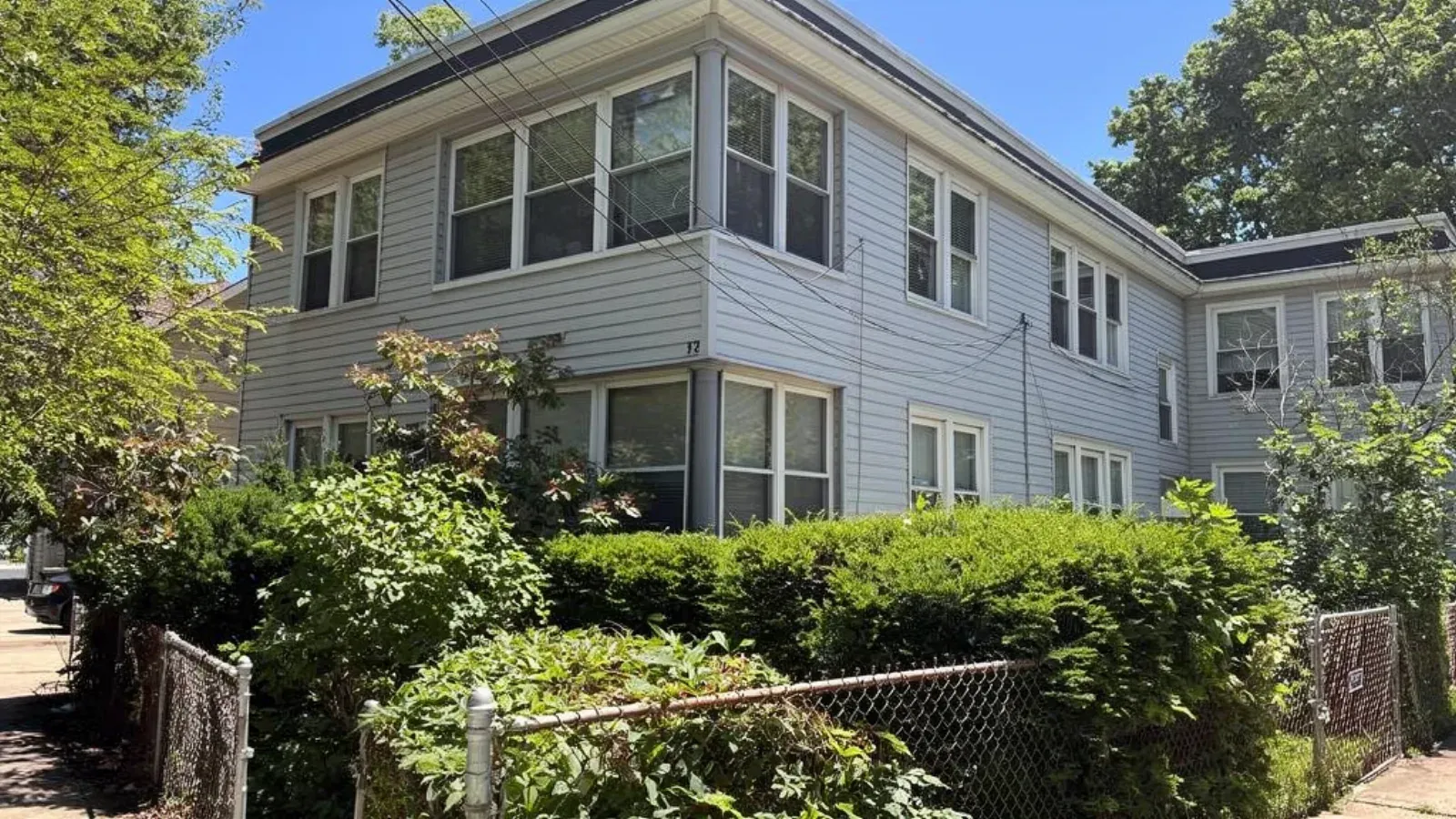
This is some of the most common work in the city because of how Providence is built. The dense rental neighborhoods, the West End, Elmwood, Olneyville, Smith Hill, and South Providence, are wall-to-wall triple-deckers, and the mill cities around them, Central Falls, Pawtucket, and Woonsocket, carry the same pre-1940 three-family stock with high turnover. These buildings mix original lath-and-plaster with decades of drywall patches, so a turnover crew has to be fluent in both: refastening and skimming a cracked plaster ceiling in one room, patching and texture-matching drywall in the next, and making the two read the same under a fresh coat of paint. A contractor who only knows new board leaves a patchwork. Providence Premier Drywall matches what is already there so the unit shows clean.
The repairs that are really code, not cosmetics
Multi-family work hides a code layer that a quick patch quietly wrecks. The wall between an attached garage and the dwelling and the separations between units carry a fire-resistance requirement, and in a three-family the assemblies between floors matter for both fire and sound. When a wall opens in a rental, those rated and separating assemblies get rebuilt intact rather than stuffed and moved past, because a landlord who fails an inspection or a re-rental check pays for it twice. Aging plumbing stacked three floors high also drives recurring water damage in these buildings, and moisture-resistant board goes in where a bathroom or kitchen wall keeps getting wet, so the same spot is not back on next year’s turnover list.
Materials & standards
Products & materials we use
- Standard 1/2" board
- Moisture-resistant board (USG Mold Tough, Gold Bond XP) for wet walls
- 5/8" Type X board at required separations
- Mesh and paper tape
- Setting-type compound for fast turns
Standards & codes we work to
- IRC R302.6 (garage/dwelling separation)
- IBC/IRC fire separation between units
- GA-214 finish Level 4
- EPA RRP (pre-1978 lead-safe work)
- RI State Building Code
What the terms mean
- Turnover
- Patch and paint prep
- Texture match
- Plaster refastening
- Fire separation
- Moisture-resistant board
- Lease calendar
The work this involves
The techniques that go into a project like this:
Frequently asked questions
Can you turn a unit around on our lease schedule? +
Yes. We work to the turnover window, including the June 1 and September 1 dates that drive Providence rentals, and we schedule the drywall so painters and cleaners can follow without losing days.
Do you handle a whole unit at once, or just single repairs? +
A whole unit in one mobilization. We repair the holes, corner damage, ceiling stains, and doorknob dents across every room in one trip, so the unit is ready to paint, rather than stringing out handyman visits.
Our older units have plaster and drywall mixed together. Is that a problem? +
No, it is normal in Providence triple-deckers and we work in both. We refasten and skim failing plaster and patch and match drywall so the whole unit reads as one surface under fresh paint.
Will you keep the fire separations between units intact? +
Yes. Where we open a rated wall or the garage-to-dwelling separation, we rebuild it to hold its rating rather than just filling the hole, so the building stays compliant.
Can you do volume across a portfolio? +
Yes. We are set up to repeat clean, fast turnovers across multiple units and buildings, which is what property managers with portfolios need.