Providence Premier Drywall

Drywall Services in Providence, RI

Residential and commercial drywall — each entry links to a full breakdown of cost, process, and what to expect.

Plaster Repair & Plaster-to-Drywall Conversion

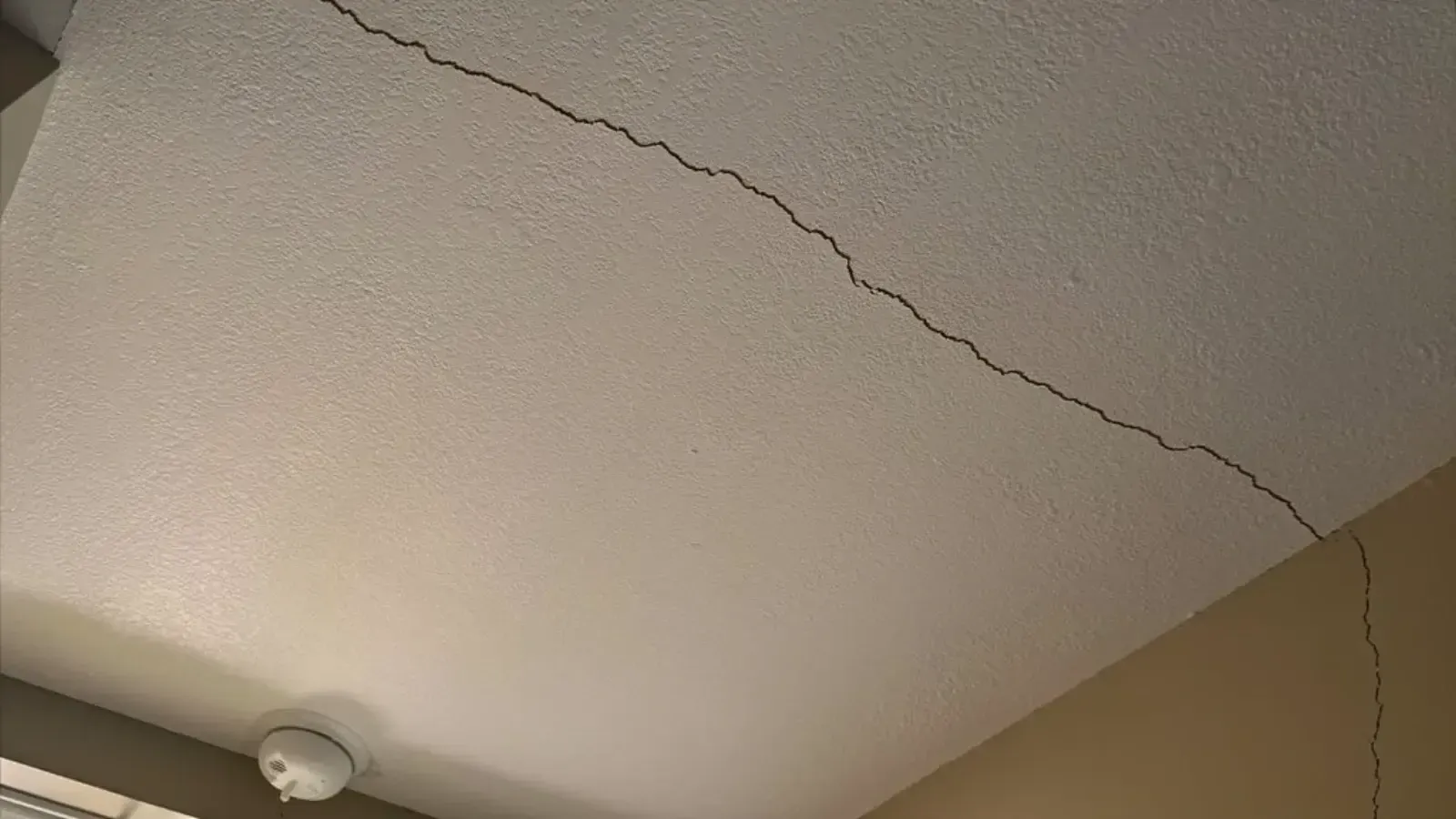
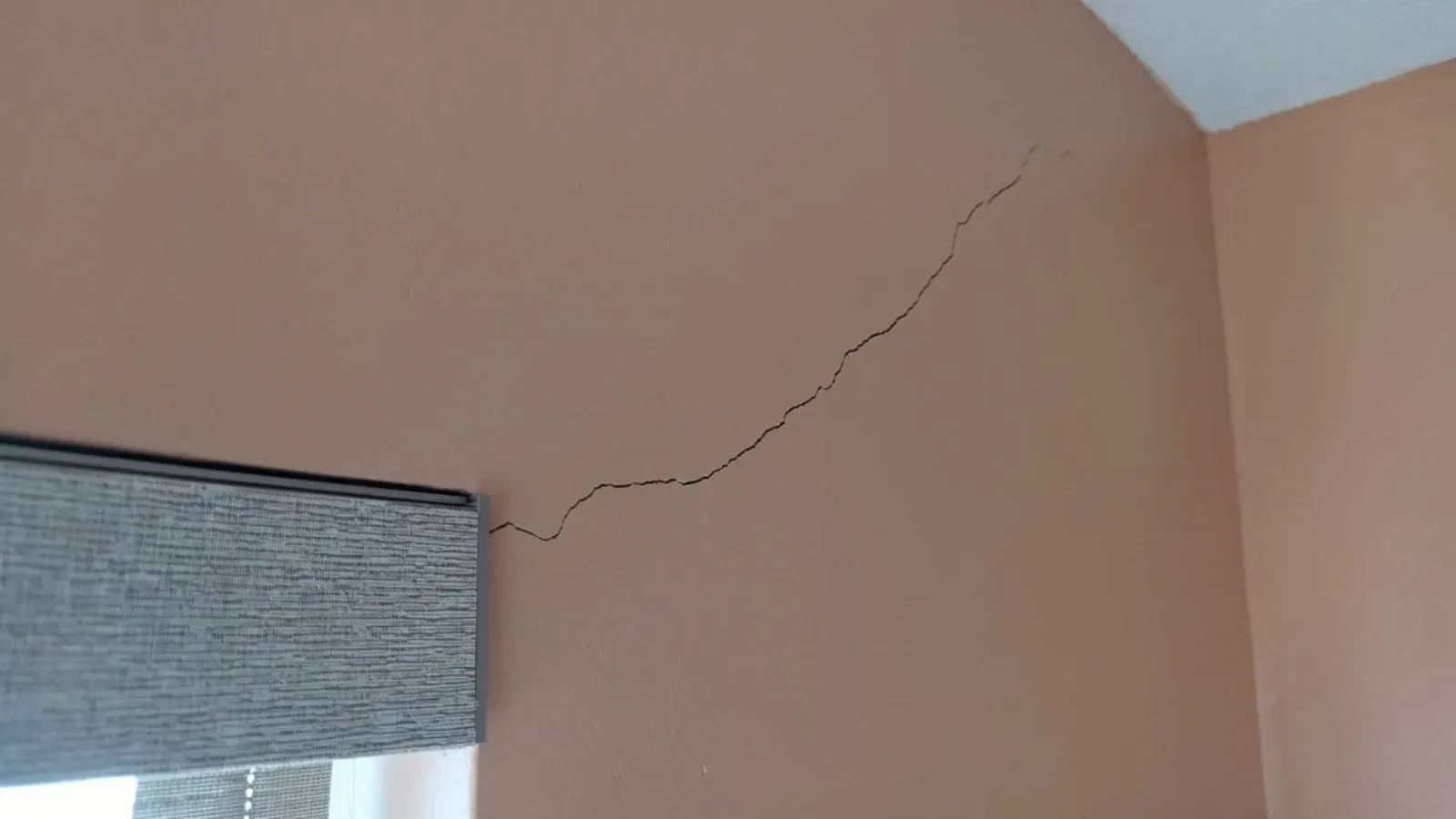
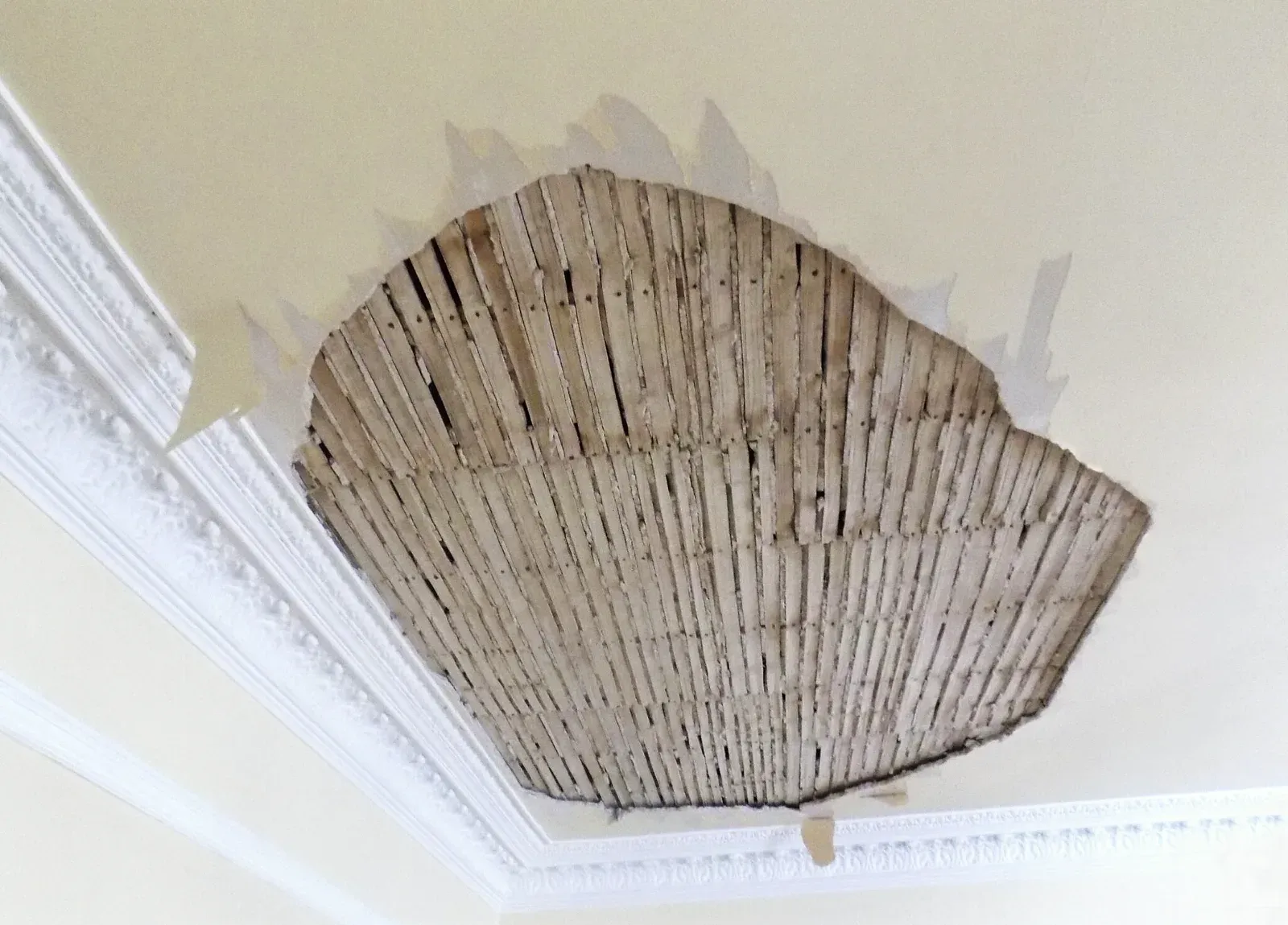
A crack that keeps reopening over a doorway, a ceiling covered in a spiderweb of fine lines, or a wall that sounds hollow when you press it usually means one thing in Providence's older housing: the original plaster is losing its grip on the wood lath behind it. Providence Premier Drywall repairs that plaster where it can be saved and converts it to drywall where it can't, deciding wall by wall rather than defaulting to one answer for the whole house.

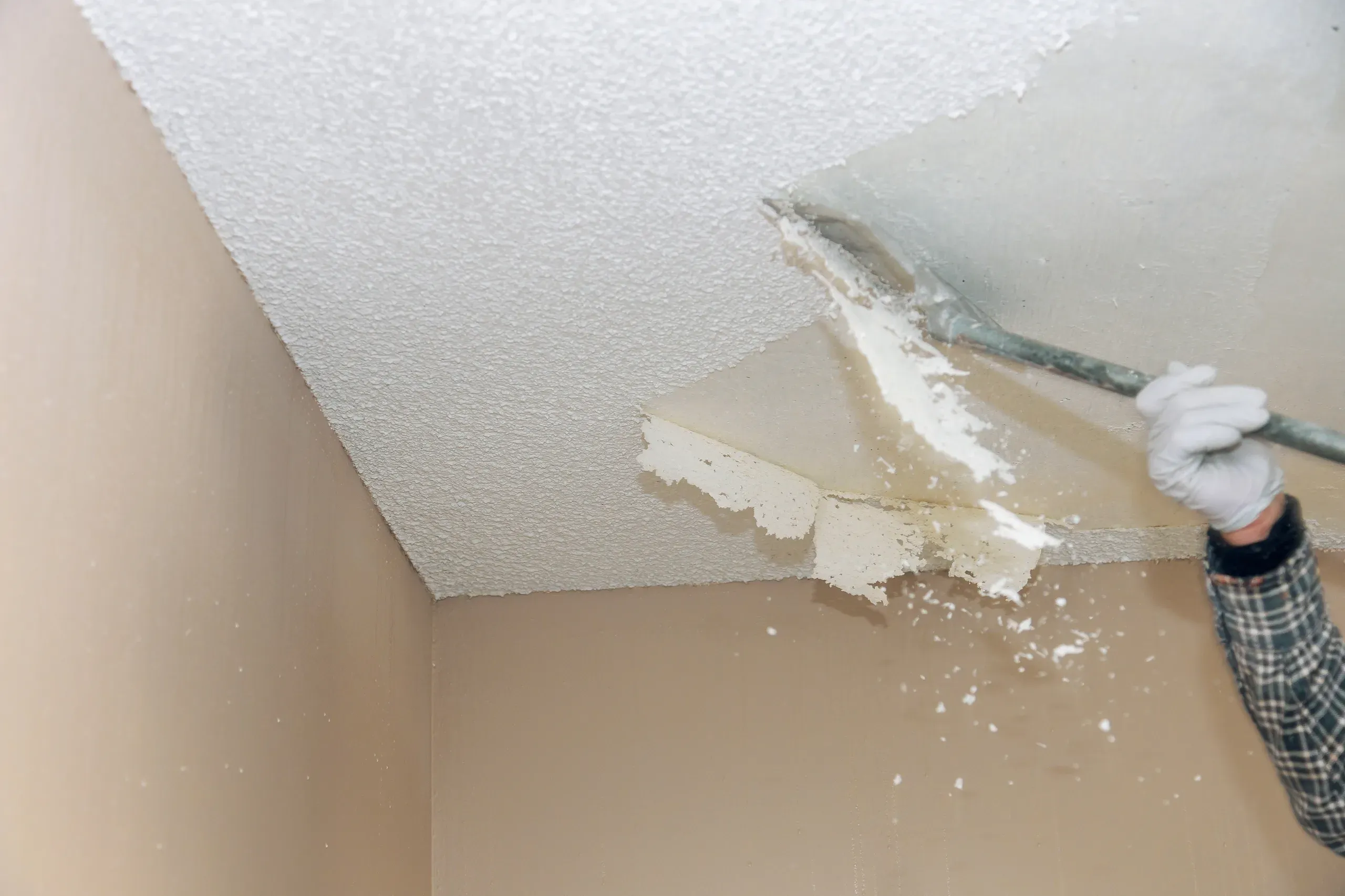
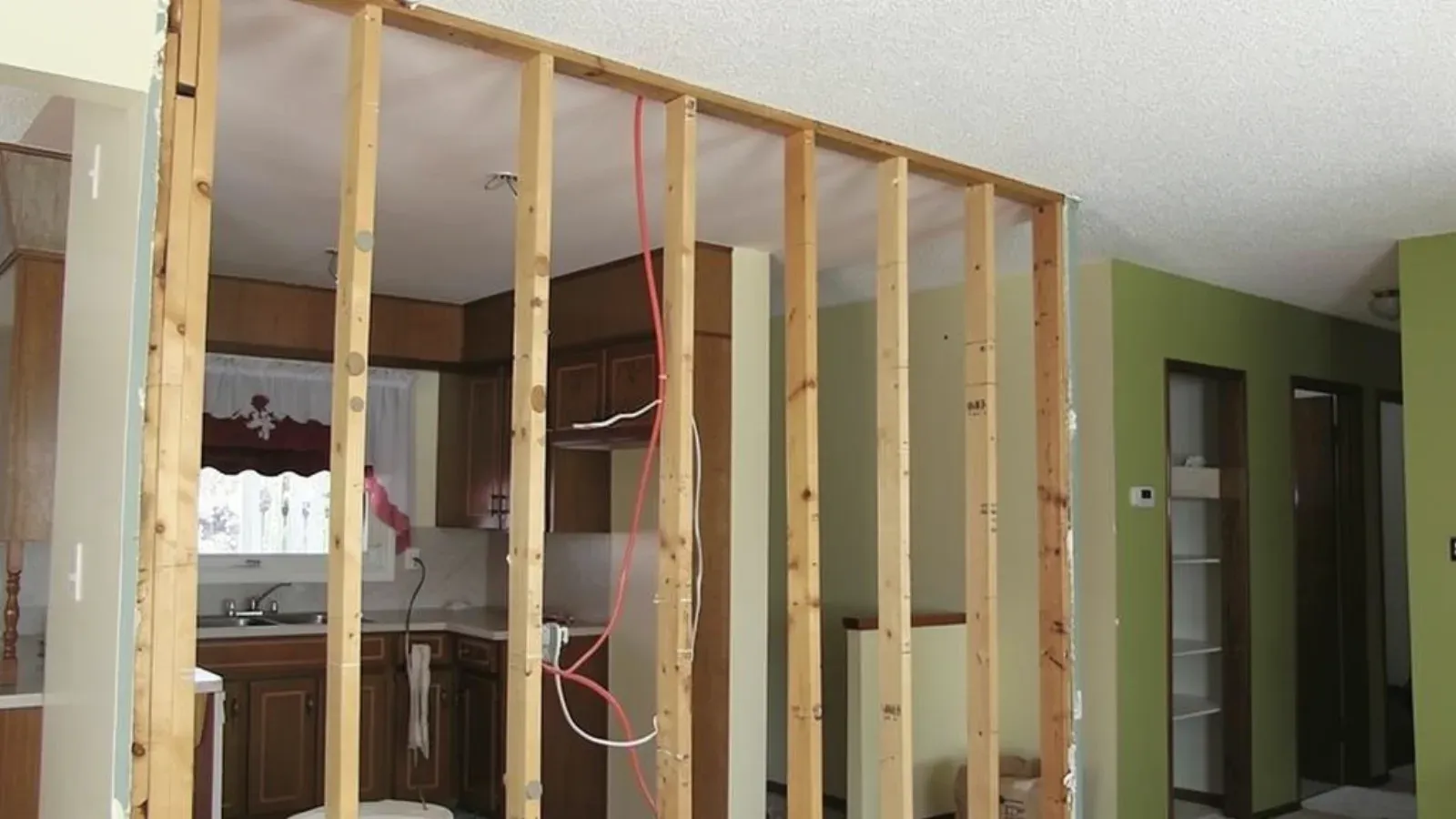
The approach starts with a press test. Sound plaster that is simply cracked gets refastened with plaster washers, the small discs that pull the plaster back tight against the lath, then filled and skim-coated so the wall stays original. Plaster that has lost its keys across a wide area, or is bulging and dropping chunks, gets removed down to the framing and replaced with new board, sometimes with veneer plaster over blueboard for owners who want the true hardness of the original finish back. Either way the surface is skim-coated to match the hard, flat read of old plaster, because a soft drywall patch stands out badly under the raking light that crosses a wall from a window.

Providence's stock makes this a constant call rather than a rare one. College Hill, the East Side near Brown and RISD, Fox Point, and Elmhurst are dense with pre-1940 lath-and-plaster homes, most of them built before 1978, so the work runs lead-safe under EPA RRP with proper dust containment as a matter of course, not an upsell. Buyers and sellers prepping an old house for the market lean on the same stabilize-or-convert judgment to get walls right before listing photos.

What decides which path a given wall takes, and what that choice does to the budget, is worth walking through before the crew shows up.
Save it or convert it

Mold Drywall Replacement

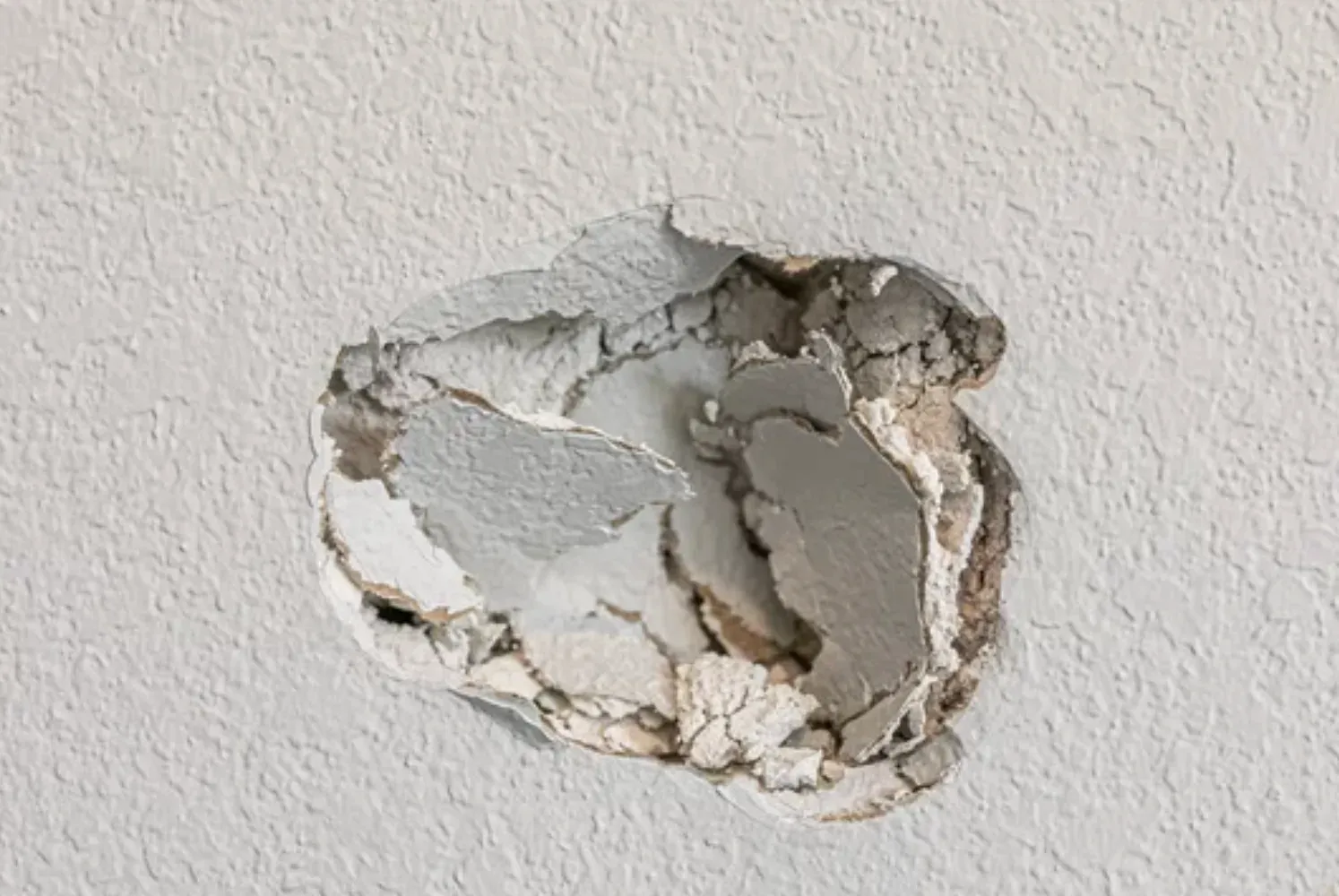
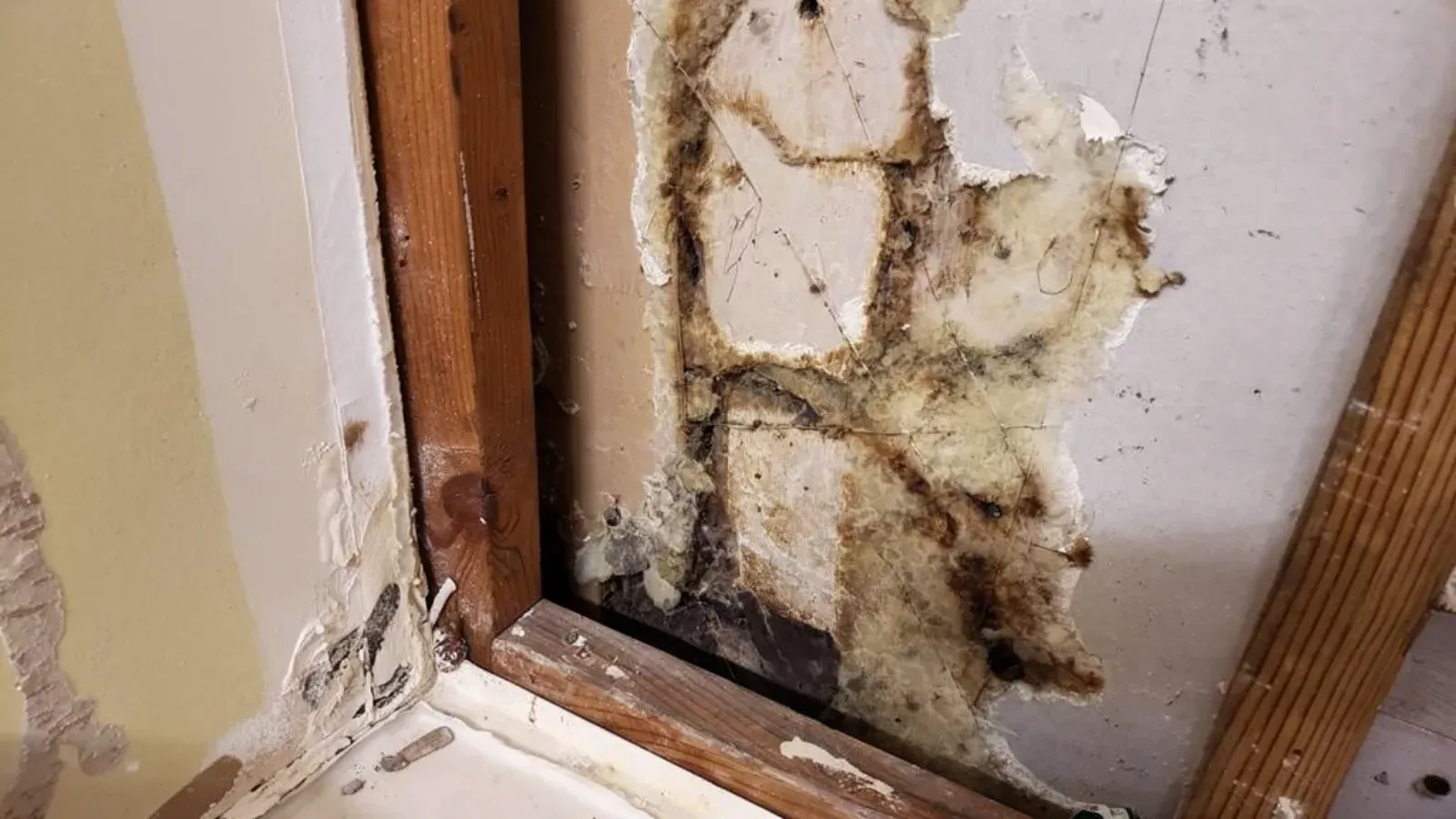
Mold on drywall is not a cleaning problem. Once mold colonizes the paper face and gypsum core, it grows into the material rather than sitting on top of it, so wiping or bleaching the surface only kills what is visible and leaves the roots to return. Providence Premier Drywall's approach starts with a straightforward read of the wall: confirm the moisture source behind the mold has actually been fixed, because rebuilding over an active leak just restarts the cycle. From there, the affected board comes out under dust containment, the cavity and framing get checked and dried, and the wall goes back together with moisture-resistant board suited to the room.

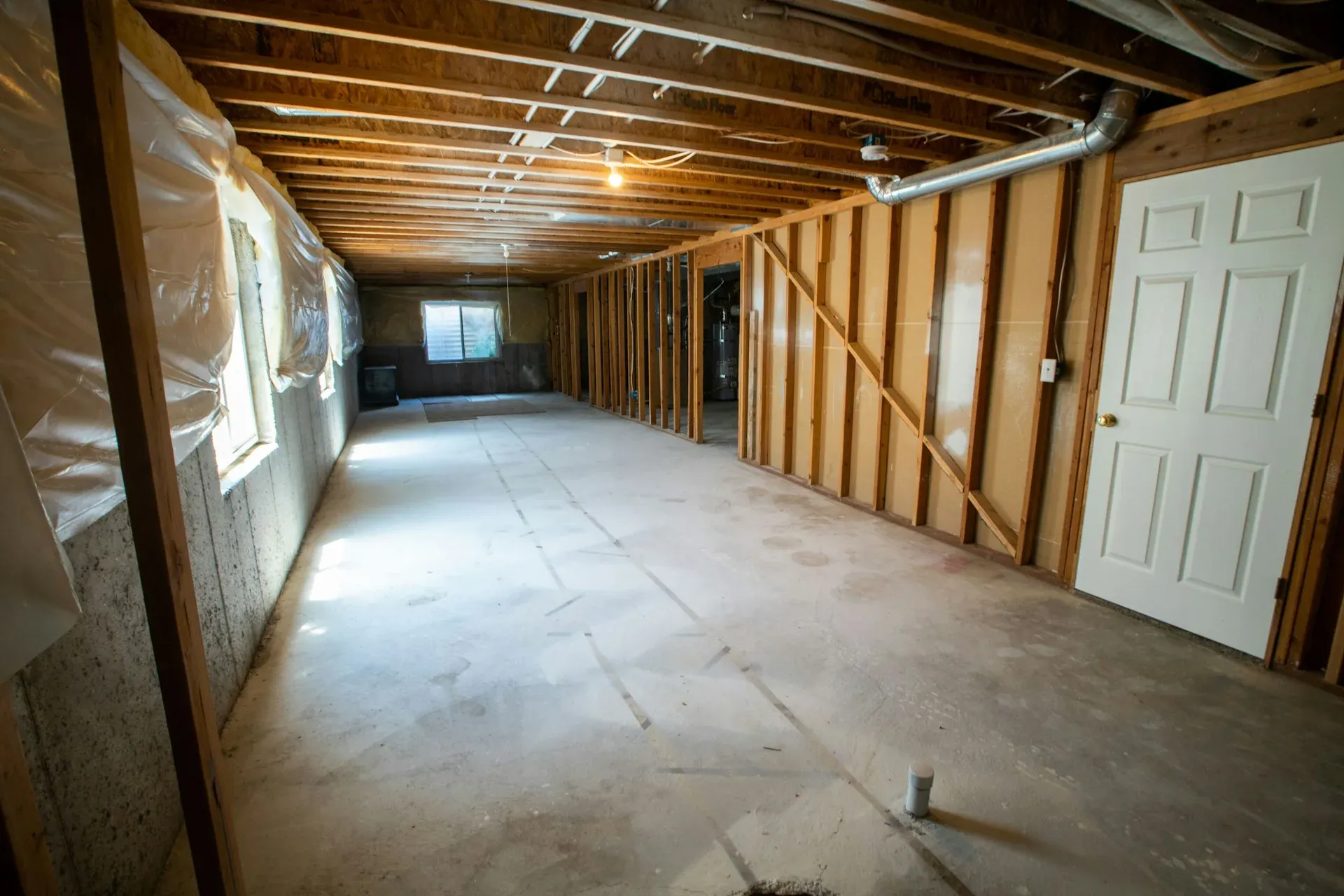
This work is common in Providence for a reason. The city's housing stock is old and dense, Narragansett Bay keeps summer humidity high, and many basements sit below grade under century-old foundations that breathe damp year-round. Triple-deckers and pre-1940 homes in neighborhoods like Central Falls, Pawtucket, and Woonsocket often turn up mold during rental turnover or a basement finish, usually traced back to a slow leak that got painted over rather than repaired. A moisture meter tells the story before any cutting starts, and it also tells us where standard board would just set the problem up to happen again.

Not every mold call is a drywall-only job. Small, localized colonization from a fixed leak is squarely inside our lane, and we handle it start to finish, from removal through a taped, coated, texture-matched finish. Larger or structural infestations need a licensed remediation specialist first; Providence Premier Drywall coordinates with that specialist and rebuilds once the space is cleared. Either way, the goal is a wall that is not just clean-looking but actually resistant to the moisture that caused the problem in the first place.

See the mold rebuild process

Water Damage Drywall Repair

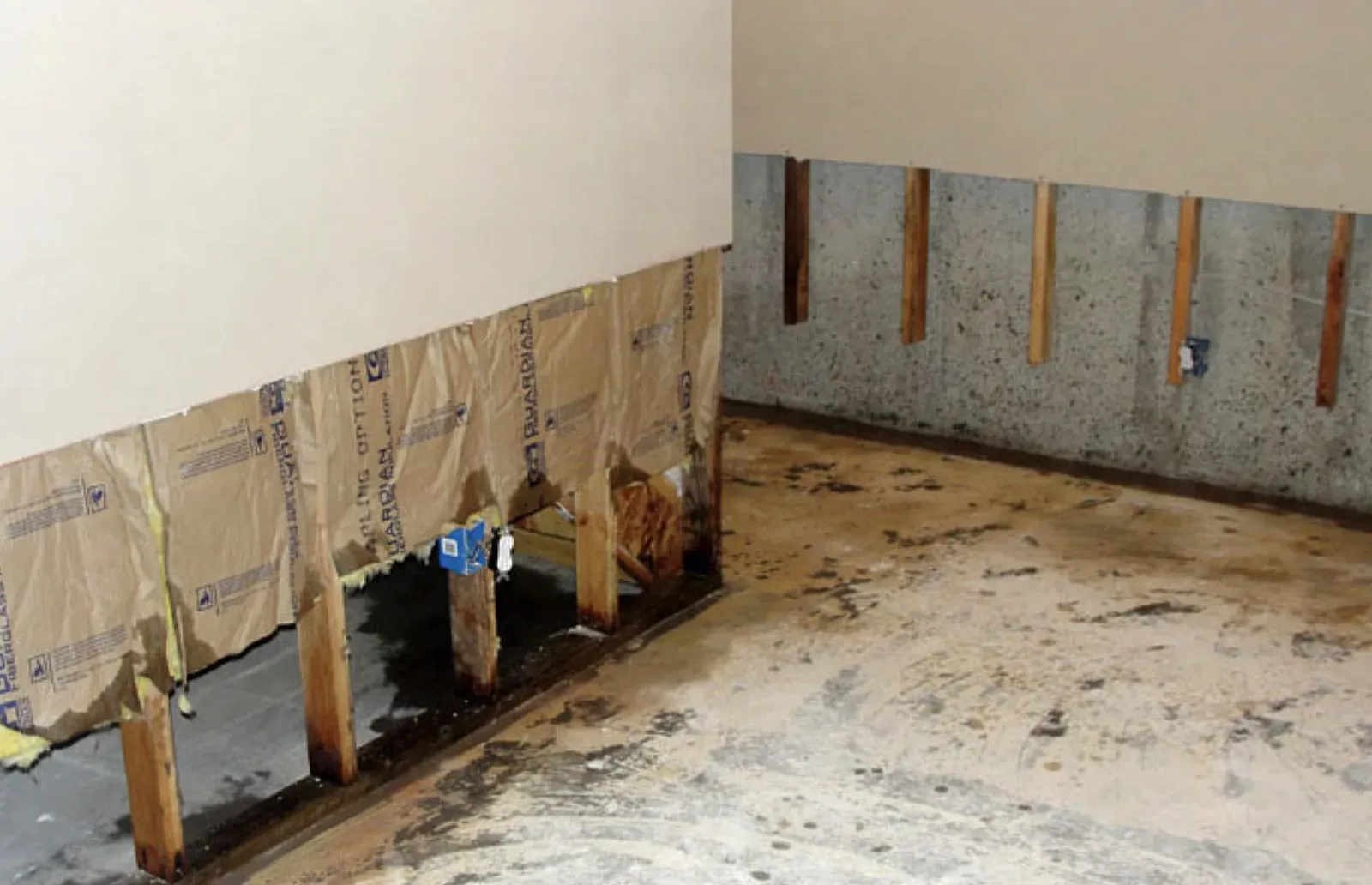
A brown ring on the ceiling, a soft spot underfoot from the room above, or a wall that bubbles near the baseboard after a leak usually means water sat in the drywall assembly longer than the stain lets on. Providence Premier Drywall repairs ceilings and walls damaged by burst pipes, overflowing fixtures, ice dams, and upstairs leaks: finding where the water came from, checking how far it traveled through the board and framing, and removing only what tests wet rather than everything that looks stained.

The diagnosis runs on a moisture meter, not the eye. Gypsum wrapped in paper loses its strength once the paper face pulls water, and that failure line, not the visible discoloration, sets where the cut goes. Where the cavity has dried and the framing checks out, we hang new board, often moisture-resistant board like USG Mold Tough or Gold Bond XP where the spot is a repeat risk, tape and coat to a Level 4 or 5 finish, seal any residual mark with a stain-blocking primer, and match the texture so the repair does not read under raking light.

Providence's older housing stock sees this constantly. Century-old plumbing in triple-deckers and pre-1940 homes across the West End, Elmwood, and the East Side gives out at fittings and supply lines, Narragansett Bay humidity keeps everything slow to dry, and New England freeze-thaw winters push ice dams under the eaves. In a three-family, a leak on the second floor often shows up as a ceiling stain a floor below, so tracing the actual source matters before any drywall comes down.

Because wet gypsum can grow mold in the cavity within about 48 hours, every water job includes checking the back of the removed board and the framing for it, and documenting the damage when a homeowner is working with an insurance adjuster on a claim.

See the full repair process

Get a fast, no-pressure quote

Call or send a few details — we serve Providence and the surrounding area.

Call (401) 593-5650

Call Now